Study on Surface Finish
A technology study on surface finish of metal AM parts.
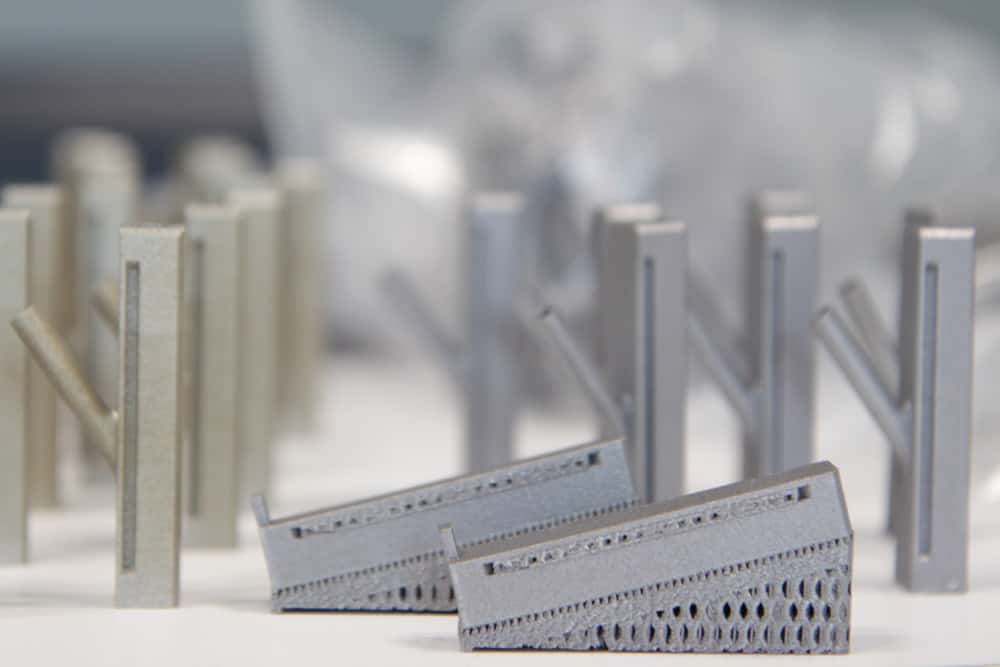

The surface processing of metal AM parts is a critical step in order to meet the requirements of an application. Standard surface finish today is performed via blasting or grinding. However, such processes are labor-intensive and rely on the operators skill and experience. A future focus in the field of Additive Manufacturing will be on (semi-)automatic surface finish.
AMPOWER performed a detailed study on surface finish processes of metal AM parts. The study included research on surface finishing technology and principles, their advantages, use cases and details on the cost structure. In total, 10 different processes that allow (semi-)automatic surface finishing were tested empirically using LB-PBF specimens and 4 different alloys: AlSi10Mg, Ti-6Al-4V, 316L and nickel-based 718.
The surface finish study included new and upcoming processes. Thus, the study provides a deep dive into processes such as Hirtisation from HIRTENBERGER, Dry Electropolishing by DLYTE or Isotropic Super Finishing by REM SURFACE ENGINEERING.
The empirical study included more than 100 samples and several hundred measurements. The effect of the surface finish technology on different features and the surface roughness was studied. These features were for example holes, channels, edges, undercuts. Additionally, the study considered processes for automatic removal of support structures to analyze their performance.
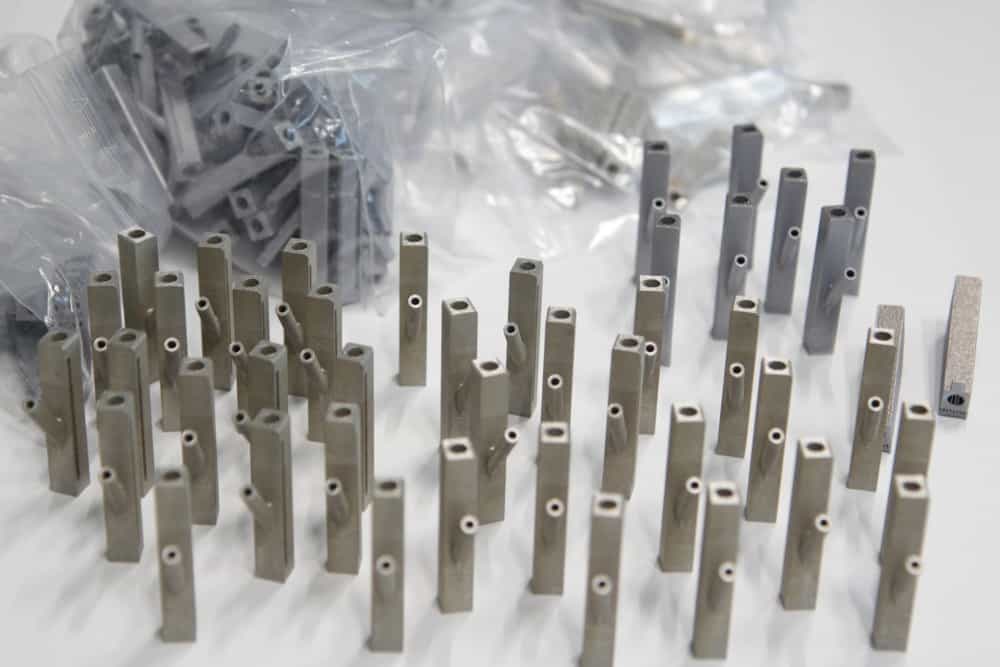
AMPOWER conducted the full study including all analyses. It was completed in the beginning of 2020. The results include a summary of today’s viable surface processing technologies, a description of the principle and the specific technological as well as economical characteristics. Furthermore, the study provides an overview of significant process parameters and an assessment of critical steps in order to employ the surface finish for your metal Additive Manufacturing parts.
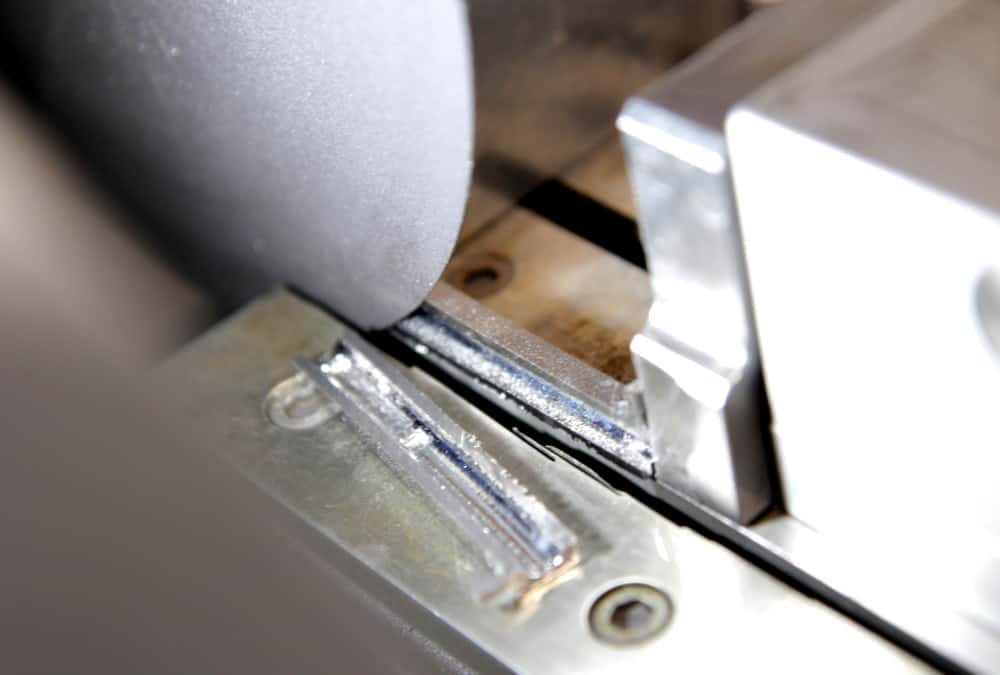
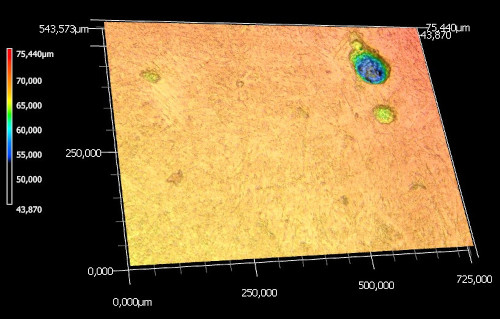
The resulting surface roughness was analyzed with tactile as well as optical measurements. Since the results from these two measurement techniques cannot be compared, both go into consideration. To study the surface finish effect on holes and inner features, the samples were precision cut. Additional tools were employed for the finding on the automatic support removal.
1. Introduction to the study
2. Surface processing methods
3. Measurement Results
4. Summary and evaluation
You need to load content from reCAPTCHA to submit the form. Please note that doing so will share data with third-party providers.
More InformationYou need to load content from reCAPTCHA to submit the form. Please note that doing so will share data with third-party providers.
More InformationYou need to load content from hCaptcha to submit the form. Please note that doing so will share data with third-party providers.
More InformationYou need to load content from reCAPTCHA to submit the form. Please note that doing so will share data with third-party providers.
More InformationYou need to load content from reCAPTCHA to submit the form. Please note that doing so will share data with third-party providers.
More InformationYou need to load content from reCAPTCHA to submit the form. Please note that doing so will share data with third-party providers.
More InformationYou need to load content from Turnstile to submit the form. Please note that doing so will share data with third-party providers.
More InformationYou are currently viewing a placeholder content from Hubspot Embedded Content. To access the actual content, click the button below. Please note that doing so will share data with third-party providers.
More InformationYou are currently viewing a placeholder content from HubSpot. To access the actual content, click the button below. Please note that doing so will share data with third-party providers.
More InformationYou are currently viewing a placeholder content from Hubspot Meetings. To access the actual content, click the button below. Please note that doing so will share data with third-party providers.
More InformationYou are currently viewing a placeholder content from reCAPTCHA. To access the actual content, click the button below. Please note that doing so will share data with third-party providers.
More Information