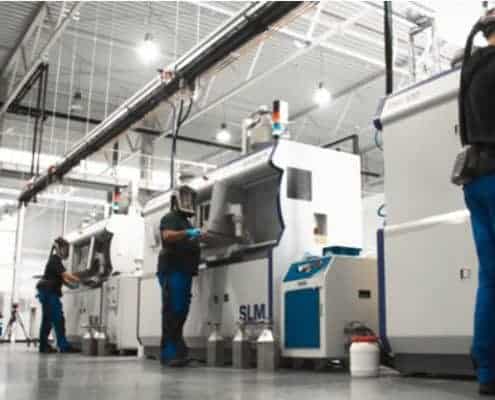

Meet your customer’s requirements

Qualification Support

Customers from regulated or high performance industries that purchase your Additive Manufacturing machines have to meet certain requirements. AMPOWER advises you as a supplier how to best support your customer. We help you to understand the industry’s requirements and what the customers needs to qualify your system to produce a validated product. The goal is to enable your customer to achieve a fast production ramp-up with your product.

Our services

Support of system suppliers to enable customers

  • Industry requirements and regulatory framework

  • Gap analysis and prioritized recommendations

  • Qualification templates for your products

  • Material and process specifications

  • Support of your customer during qualification

References

What our customers say

“With AMPOWER, we have been able to develop decisive competitive advantages in the market. The team’s independent expertise in regulated industries such as medical and aerospace is unique on the market.”
Matthias Müller
Branch Manager Aerospace, TRUMPF Laser-und Systemtechnik GmbH
Our Approach

We support you to enable your customer

System suppliers deliver machines to numerous industries that each have their own set of specific demands. The customers, especially from regulated industries, expect the machines and their documentation to meet the existing requirements. AMPOWER supports machine suppliers by providing everything necessary, so your customer can quickly qualify their machines and begin with the production ramp-up. Our service includes an assessment of your machine technology, evaluation of the documentation you provide as well as analysis of your procedures in service and maintenance. We challenge you so you can deliver the best customer experience!

Gap Analysis

Assessment of your machine and your documentation to customer requirements and expectations in order to quickly ramp-up production

Development of qualification documents

Support to develop qualification procedures and documents that you can deliver to your customers

Qualification support

Directly support your customer with our expertise and best practice in qualification

Gap Analysis

Set the baseline for a positive customer journey

The initial Gap Analysis has the goal to find deviations of your value proposition with industry specific requirements in mind. The analysis includes your AM machine, but periphery solutions as well as the documentation and service procedures. Additionally, we will provide a training of your personnel with best practices in machine qualification and give an overview on the current regulatory framework in the largest AM industries. The results from the Gap Analysis is a prioritized list of shortcomings, potential improvements and opportunities for competitive advantages.

  • Identify deviations for machine qualification

  • Analysis of machine, periphery, documents and procedures

  • Prioritized To-Do list

  • Introduction into qualification best practices

Development of qualification documents

Enable your customer’s machine qualification

Once a customer begins their journey with you, they expect you as system supplier to take away their work when it comes to qualification of the machine. AMPOWER can provide you with guidance on best practices of machine qualification and prepare a full set of templates that meets the expectation of your customer’s quality management. This enables your customer to quickly overcome this milestone and begin production.

  • Develop machine specific qualification requirements

  • Develop acceptance jobs

  • Develop IQ/OQ qualification templates

  • Support with industry-specific PQ

  • Improve service procedures

1
2
3
Qualifizierung Additive Fertigung
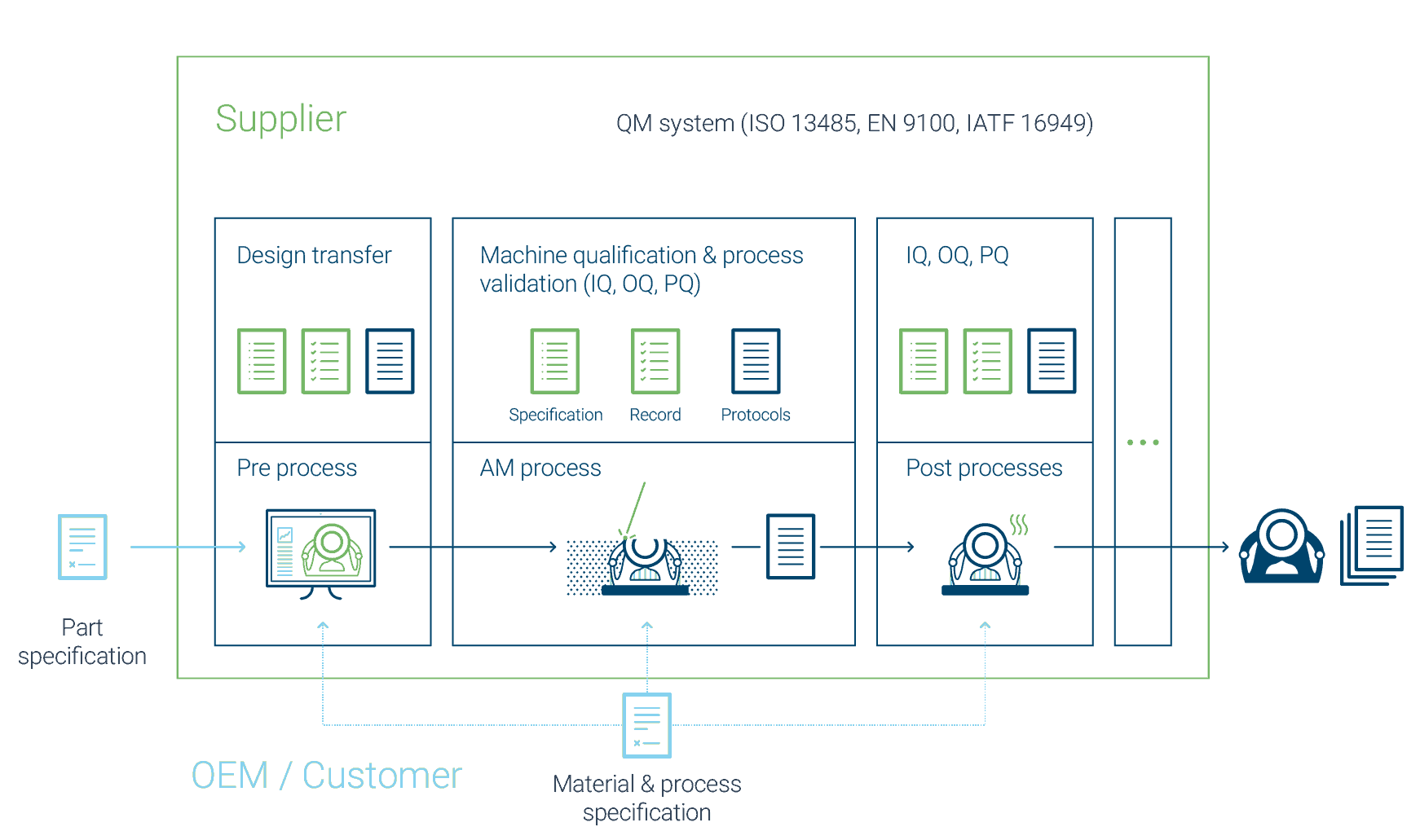
1

The part specification defines all the properties of the component. The user specifies these, for example in the form of a technical drawing.

2

The material specification determines the properties of the starting material and partly also of the input material. These can be strength values ​​as well as chemical composition and density. The Process specification defines the parameters and requirements of the manufacturing process.

3

Each delivered component or batch contains a documentation that proves that the components meet the specifications.

Industry Requirements

Considering your customer’s requirements

We support you and your customer to successfully use Additive Manufacturing technology in a regulated environment. Introduction of AM in a regulated framework requires a holistic approach that includes the production department, but also R&D, purchasing and general management. AMPOWER provides the needed expertise and supports with the implementation of proved cross-industry best practices. Our support ranges from weekly calls to on-site support to achieve machine qualification and production ramp-up as quickly as possible. This includes necessary documents in form of risk assessment, development of specification and qualification packages as well as deviation and mitigation management.

Medical technology

General quality management in medical technology is defined by ISO 13485. The specifications for the quality management of Additive Manufacturing are based on the component specifications and international guidelines such as those of the U.S. FDA.

Aviation

The EN/AS 9100 provides the framework for quality management in aviation. In addition, the OEM specifies requirements for the qualification Additive Manufacturing.

Automotive

The IATF 16949 defines the general framework of quality management in the automotive industry. To date, only few specifications have been published for Additive Manufacturing.

You want an assessment of your AM machine?
Or you want to become best-in-class to pull ahead of the competition?

Dr.-Ing. Maximilian Munsch

Reach out and send a message to our AMPOWER Partner responsible for projects on gap analysis, qualification and best-practices in operational excellence.

Knowledge

Market and Technology Studies

AMPOWER

Impact of AI in AM

The study analyzes around 50 AI solutions to provide a factual assessment of their current technological maturity and commercial impact across the AM production chain.
AMPOWER
AMPOWER
AMPOWER

Impact of AI in AM

The study analyzes around 50 AI solutions to provide a factual assessment of their current technological maturity and commercial impact across the AM production chain.

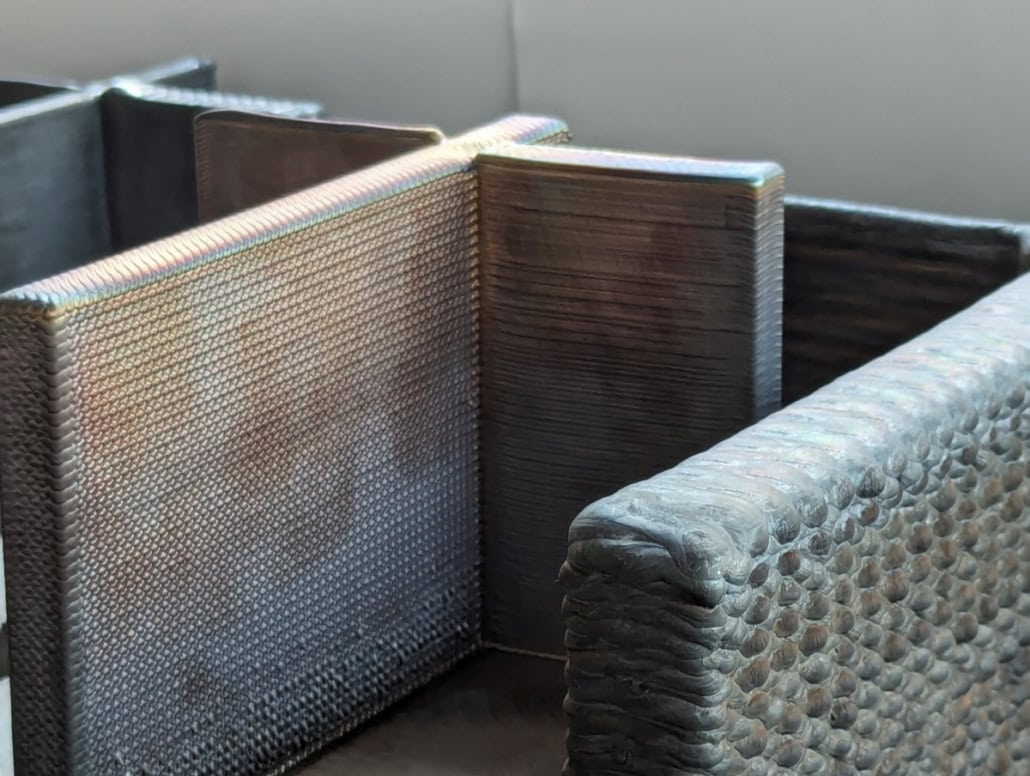
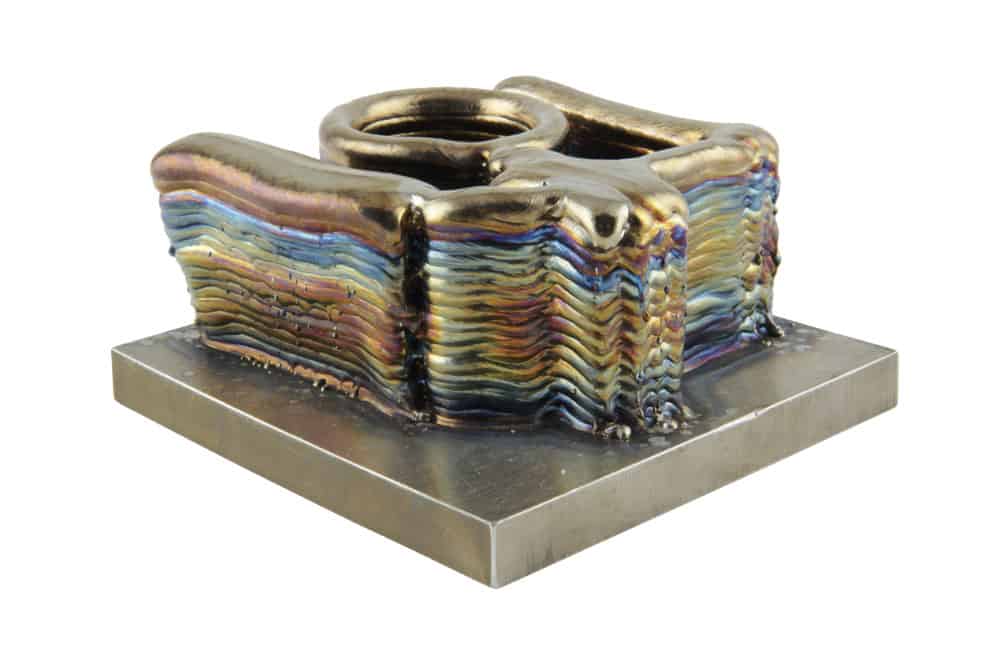
Wire Laser and Wire Arc DED

The study independently tested nine wire DED technologies to deliver a comprehensive assessment of their technological maturity and commercial parameters.
AMPOWER

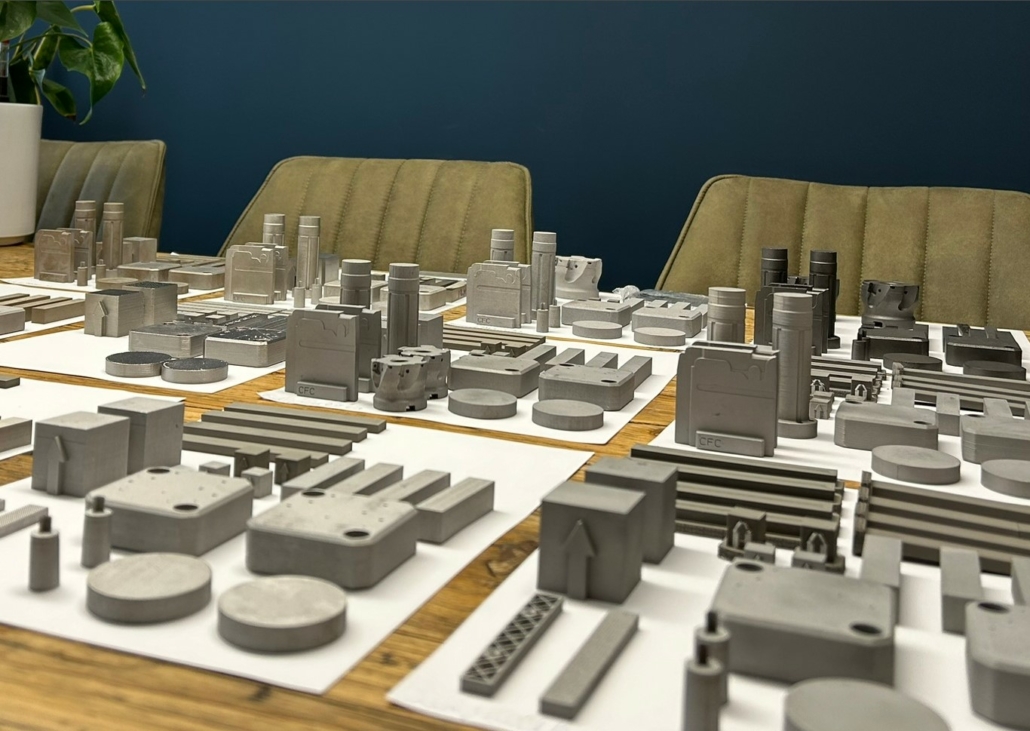
Tool steel

The study provides a state-of-the-art overview of tool steel processing using AM technologies. Overall, 8 different tool steels and 18 process and material combinations are studied.
AMPOWER

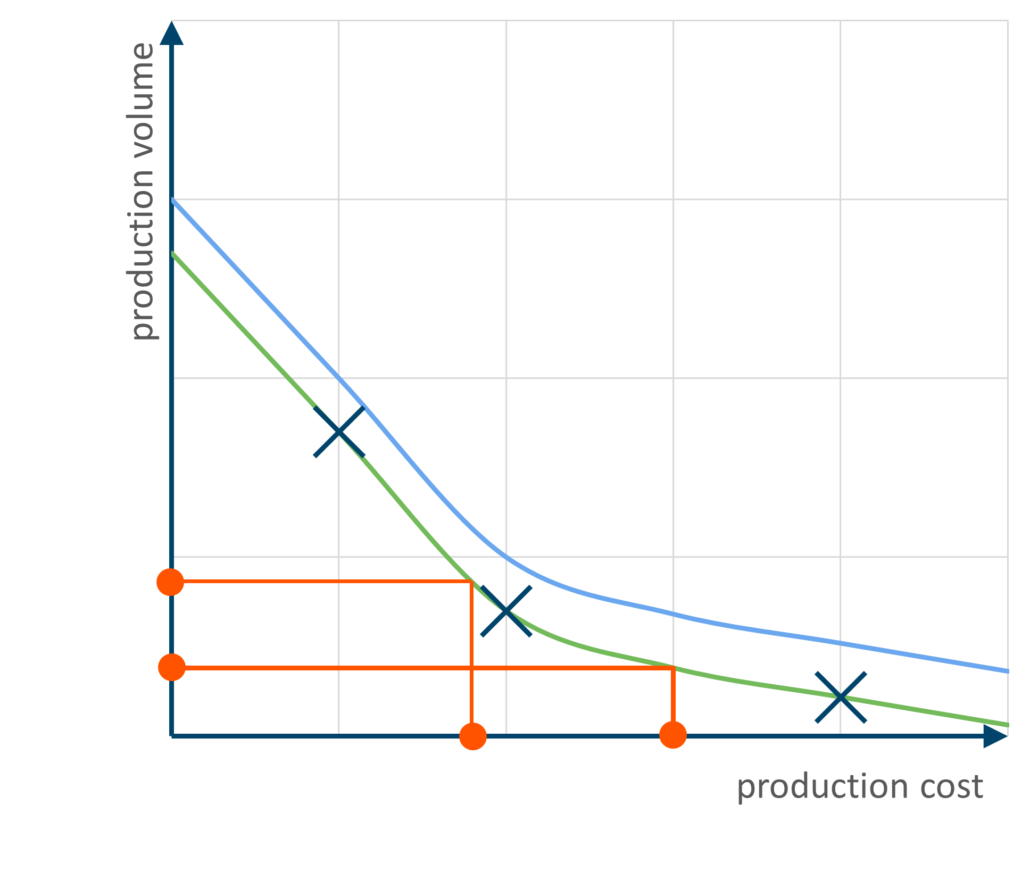
Addressable Market Metal AM

In this study, AMPOWER presents an objective and independent analysis beyond the current AMPOWER Report data. By analyzing nine material groups in seven industries, AMPOWER shows how decreasing production costs can increase the potential metal AM market.

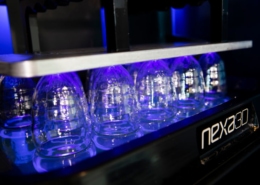
Advancements in Photopolymer AM

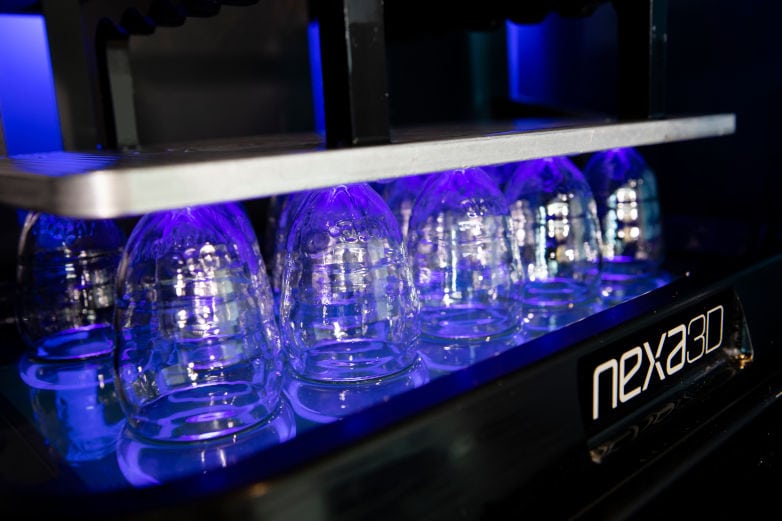
AMPOWER challenges the maturity of AM Photopolymer technologies and benchmarks several systems in terms of material properties, productivity, economical and sustainability aspects.
AMPOWER

Copper Additive Manufacturing

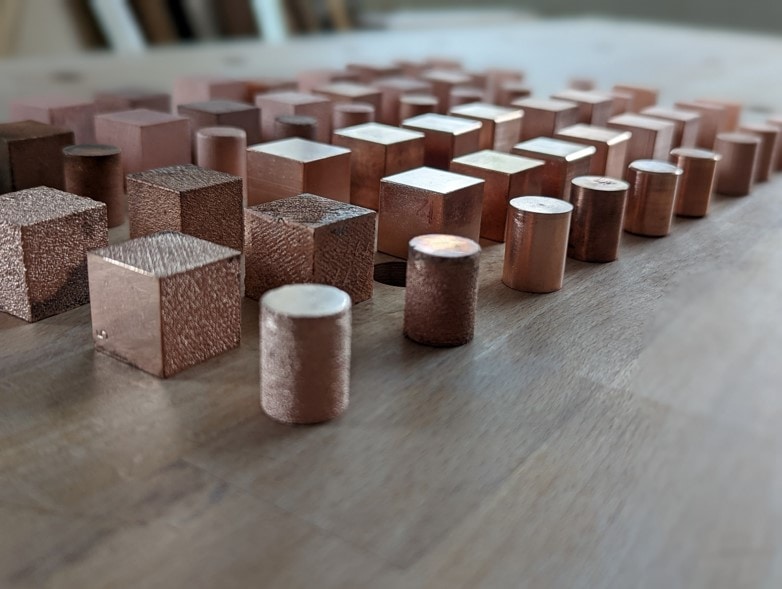
Out of the 20 different metal AM technologies AMPOWER categorizes today, vendors of half a dozen technologies have introduced processing of copper and another half a dozen researches the use. AMPOWER assessed the maturity, productivity and cost structure.
COMPOSITE AM Tensile barsAMPOWER

Composite Additive Manufacturing

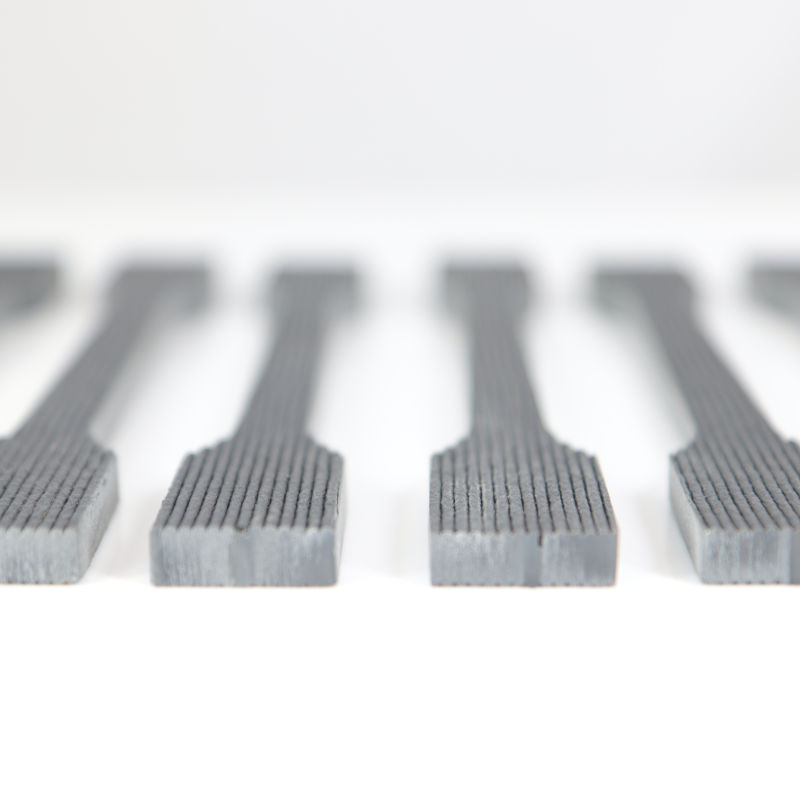
Processing of composite materials is a fast growing field within the field of Additive Manufacturing. Today, more than 19 companies develop technology to offer solutions that enable 3D printed components made from composite materials and continuous fibers.
Cost study make vs buyAMPOWER

Cost of Additive Manufacturing

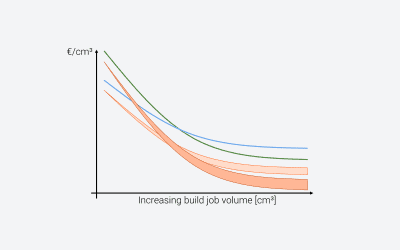
AMPOWER conducted a market study on actual costs in Additive Manufacturing to provide an overview on the status quo and to answer several key questions. Firstly, how much does AM cost internally and externally today, how will these costs develop in the future?
Direct Energy Deposition sample 1AMPOWER

Direct Energy Deposition

AMPOWER performed a detailed study on surface finishing processes of metal AM parts. The study included research on surface finishing processes, their advantages, use cases and details on the cost structure. In total, 10 different processes that allow (semi-)automatic surface finishing were tested empirically using LB-PBF specimens and 4 different alloys: AlSi10Mg, Ti-6Al-4V, 316L and nickel-based 718.
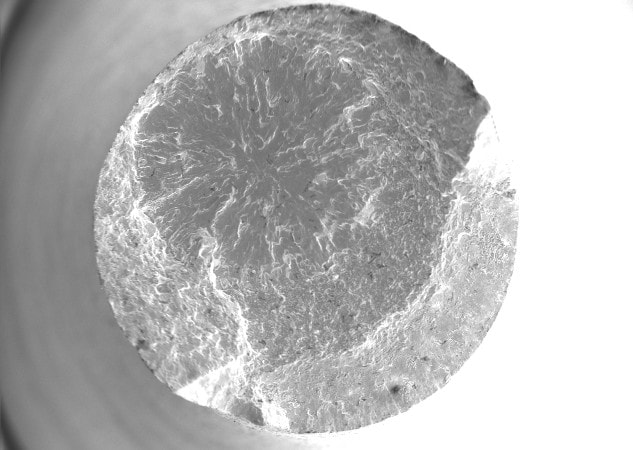
HIP fracture analysisAMPOWER

Hot Isostatic Pressing Of Titanium AM Parts

To advance the knowledge on HIP treatments for AM parts, while enhancing AM specific material properties, AMPOWER investigates and optimizes HIP cycles for LB-, EB-PBF and BJT in this study.
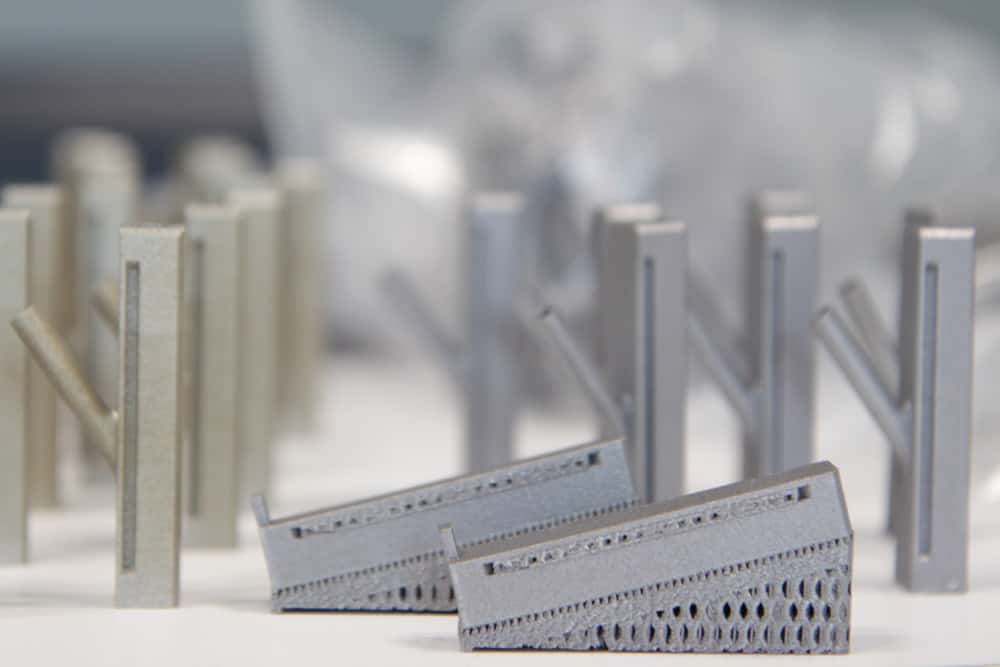
Surface finish samplesAMPOWER

Surface Finish

AMPOWER performed a detailed study on surface finishing processes of metal AM parts. The study included research on surface finishing processes, their advantages, use cases and details on the cost structure. In total, 10 different processes that allow (semi-)automatic surface finishing were tested empirically using LB-PBF specimens and 4 different alloys: AlSi10Mg, Ti-6Al-4V, 316L and nickel-based 718.
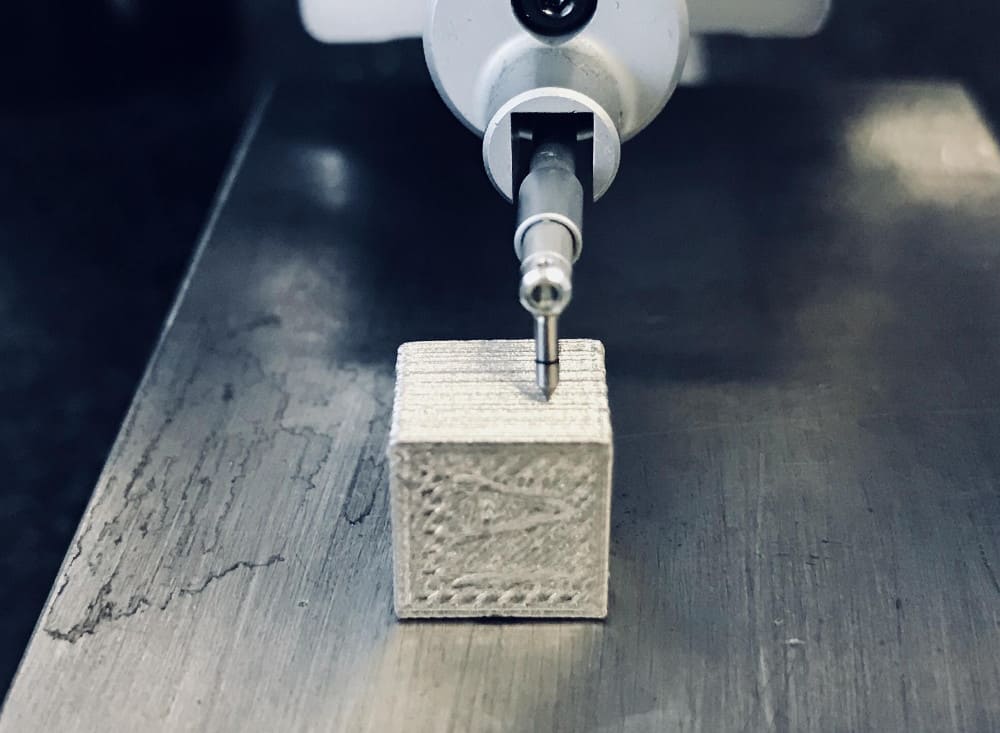
Sinter-based technologies surface roughnessAMPOWER

Sinter-based technologies

In this study, AMPOWER presents an objective and independent view on the current capabilities of sinter-based AM technologies compared with LB-PBF and metal injection molding (MIM). By analyzing over 50 specimens from 9 different system suppliers, AMPOWER is revealing the characteristics of the different technologies.